Showing posts with label Java Foods. Show all posts

Sunday, January 24, 2010

Java Foods

Low Caloric Nutrient Dense Foods Make Us Happy
By Jamie Rackenthaler


Java Foods

Healthy Food Makes us Happy

There are many reasons to eat healthy foods. One of the most important reasons is that healthy foods make you happy.


Java FoodsApples versus Java

It sounds like a computer program, but scientists have shown that a morning apple actually wakes you up better than a caffeinated drink. Apples also have less calories and lots of good things like fiber, pectin, and vitamins. This means that several hours later you'll not only be more alert, but feel better also.

Java FoodsThe Crash Course

We all get tired from time to time. The inevitable sugar or caffeine break gives us a temporary feeling of goodness. In analogy, it is like throwing kerosene on a fire. It burns brightly, but quickly burns out. Healthy foods are like the logs burning in the fire. They keep you going for the long haul.
Getting temporary or extreme highs leads you to also get lower lows. This leads to a cycle of using the unhealthy food to feeling just good enough to get away from the lows. It has been said by health experts that caffeine is the most abused drug in our society. It is very addictive and very difficult to quit.


Java FoodsComparison Eating

Humans are always comparing everything to a standard. For example, what is your favorite food and why? I might say that my favorite food is Swiss chard because of its high nutrient density and low caloric intake.

On the other hand, on some unconscious level, we are all comparing how good something tastes and nature has programmed our taste buds for sugar and fats. The problem is that we compare healthy foods with foods that are ultra man made packed with both fat and sugar. Unconsciously through nature itself, we crave these higher density fat and sugar foods.


Java Foods
The Solution

The solution is quite simple. Stop eating the man made foods full of sugar and fat. When you do this, your brain stops comparing foods and you will consume less of bad foods.

The big benefit is that healthy foods will taste a lot better to you than they ever have. Your taste buds will be more sensitive and you will love the flavor of natural foods. Through time, you will notice that you become more happy. You will have removed a source of stress to your body. Your body will thank you.

Saturday, January 23, 2010

Java Foods

Indonesian Foods Are the Spice of Life
By Chuck R Stewart


Java Foods
When you want Indonesian food, and there is not an Asian market nearby or if there is not an Asian market around at all, you have two choices. You can accept that you will never be able to walk around a grocery that has the kinds of foods you love, or you can do what so many other people are doing these days - shopping for Indonesian food online. There are many places where convenience meets technology, and online Indonesian food businesses were made for just such a situation as this by their owners with the same frustrations. No gas, no driving for miles just to satisfy your craving for food from your homeland or just for a more exotic taste during your week. These stores also offer some of the lowest prices in North America as well as some of the most recognized Indonesian food brands.


Java Foods
Like most large countries, there is no one kind of Indonesian cuisine, but Indonesian food has some generalities that make its many kinds of Indonesian foods unique, whether the Indonesian food is a play off other countries' foods or whether the dishes are native to various Indonesian regions. Some Indonesian dishes are influenced by Chinese cuisine (and vice versa), but others, such as the Padang food in Sumatra, show some Middle Eastern and Indian influence. Indonesian food is commonly eaten with a spoon in the right hand and a fork in the left, although in parts of the country, Indonesian food is just eaten with one's hands, as utensils are not easily procured.


Java Foods
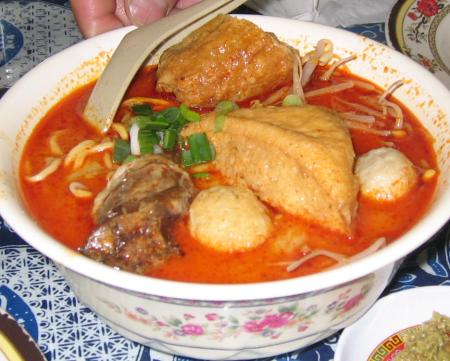
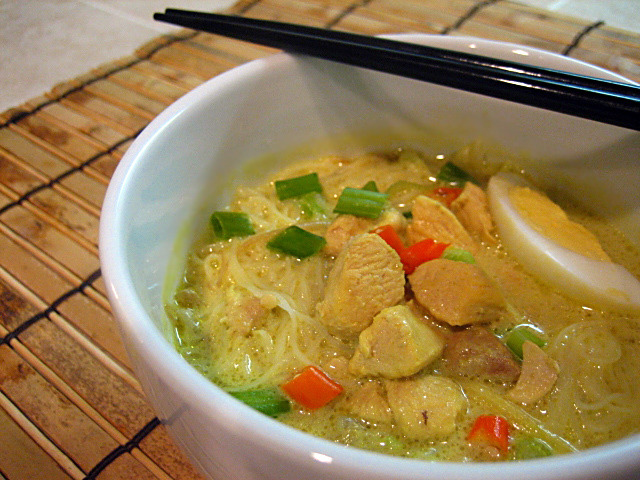
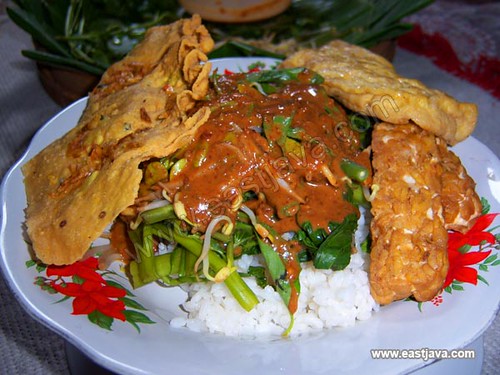
Like many Asian cultures, rice is the foundation of every meal. It can be eaten in a soup or with vegetables and meat. Rice can also be steamed in coconut fronds, which is called ketaput, or made into crackers, desserts, or even wines. Fried rice, called nasi goring, is one of the most popular Indonesian food dishes, although meat on a skewer served with peanut sauce (sate or satay), bean sprouts and vegetables with peanut sauce, and various kinds of seafood are also quite popular Indonesian foods. Indonesia has a gold mine of native tropical fruits that are enjoyed for their richness all over the world, including custard apples, guavas, rambutan, mangoes, starfruits, and papayas. In the Sumatra regions, they often provide curried meats and vegetables like gulai, which is an Indonesian curry with a characteristic yellow color from the spice turmeric and coconut milk. The Chinese influence on Indonesian food is seen in the prevalence of rice, noodles, and meatballs. Some Indonesian foods, however, are unique to the region, like tempe, which has become popular worldwide. Tempe comes from Java; its origin was a result of deforestation as protein became harder to come by, and the tempe provided an adequate alternative.


Java Foods
Vendors are a regular sight in Indonesia, and they often sell Chinese-inspired Indonesian foods like buns and noodles. Pork used to be sold, too, but with the rise of Islam in Indonesia, it is not used as often in traditional dishes.


Java Foods

Thursday, January 21, 2010

Java Foods

Selecting and Preserving the Best Coffee Beans for Your Java
By John Hilaire


Java Foods
Coffee has become a booming business today, and the ground beans that fill the metal caffeine cans just don't cut it for many coffee connoisseurs any more. Avid coffee drinkers want their brews made from beans that are fresh, robust, and grown and roasted to perfection.

But how many caffeine lovers are well-versed in what happens to a coffee bean from the time it is grown until it ends up in your coffee maker at home The process of growing and roasting caffeine beans is a long and complex one, but the result of beans grown and harvested properly is a delicious cup of coffee every time. It is a good idea to be at least a little familiar with the process to know how to select the best coffee beans to put into your morning cup.


Java FoodsWhere do coffee Beans Grow?

While there are many countries throughout the world which grow caffeine beans, the majority of our beans come from Brazil, Columbia, Indonesia and Mexico, respectively. Coffee trees are a bit persnickety about the sunlight, moisture and temperatures that they require to grow well.

Plants that are grown at higher altitudes tend to yield more flavorful beans, since the lack of oxygen in these areas offers the plants a longer time until harvest and allows the flavor to develop more fully. Coffee beans are distinguished by whether they grow in a high or low area, the flavor of the beans and the aroma. Arabica beans tend to have the most flavor and aroma, while Robusta beans offer an earthier aroma and taste.


Java Foods
Keeping Coffee Beans Fresh

When you head to the store to buy your caffeine, keep in mind that freshness of the beans is subject to when they were roasted. If you can buy your coffee beans on the day of roasting, or perhaps the day after, you will enjoy the freshest coffee possible. It is always best to buy your beans whole and grind them yourself on the day that you will use them.

If you don't have a grinder or you prefer to grind a few day's worth at once, you can store your caffeine in the freezer to help keep your coffee beans as fresh as possible until you use them. If you like to order your caffeine beans from companies on the Internet, you can ask the company about its policies in shipping and roasting. Some companies will ship out beans the day that they are roasted to ensure the maximum freshness possible.

Java Foods

Java Green Tea Capsules For Fast Weight Loss
By Mike Smithers


Java Foods
The Indonesian island of Java is famous for its towering volcanoes, green fertile valleys and for its tea. Java's volcanic soil is rich with minerals and the high rainfall and cool climate combine to make perfect growing conditions for tea. Tea gardens adorn the green slopes of the highlands in the west of the island and the tea grown here is of a consistently high quality. The clean air, the simple processing of the tea and the methods of growing and harvesting ensure that the tea retains both its flavour and its goodness.

Scientific research has revealed that green tea has several health benefits, and so growers are particularly careful to ensure that their tea remains as pure and natural as possible. The high antioxidant and phenol levels in Java green tea are said to help prevent heart disease, ward off some types of cancer and help skin that has been damaged by the sun.


Java FoodsIn addition to these health benefits, Java green tea is widely valued as an aid to weight loss. unfermented tea, unlike the black fermented variety is called 'green' and speeds up the body's metabolism so that it uses more energy for faster weight loss, and helps prevent absorption of fat.

When scientists realised the many benefits associated with the consumption of Java tea, they went on to develop Java green tea capsules. The capsules capture the concentrated goodness of Java green leaf tea in a form that is easy and convenient to take. Many people recognise the benefits of green tea but do not want to change their drinking habits from black tea or coffee. Java green leaf tea capsules are ideally suited to them, enabling them to adopt green tea as part of their diet, without having to change their habits.